What Makes Japanese Sashiko Thread Different (And Why It Matters for Your Stitching)
Key Takeaway: Traditional sashiko thread is 2-3x thicker than regular cotton thread with a loose twist that creates the characteristic texture and durability.
What You'll Learn:
How sashiko thread weight and twist direction affect stitch appearance
Which Japanese sashiko thread brands offer the most authentic material basis vs. which substitutes you can use for mending
Bottom Line: Investing in proper sashiko thread transforms both your stitching experience and final results.
You've seen gorgeous sashiko work online or IRL... those bold, even stitches that seem to float above the fabric surface. You buy some cotton thread, follow a tutorial, and... your stitches look flat and ordinary. The problem isn't your technique; it's your thread.
Traditional Japanese sashiko thread possesses specific characteristics developed over centuries to create that distinctive raised texture and long-lasting durability. Regular cotton thread, even high-quality versions, simply cannot replicate these results (and believe me, I've tried).
This guide breaks down exactly what makes authentic sashiko thread different, which brands offer genuine materials vs. decent substitutes, and when the investment actually matters for your mending projects.
The Three Critical Differences in Authentic Sashiko Thread
Understanding what makes sashiko thread unique starts with examining its physical properties. Sashiko functions as a specific needlework technique, in short, running stitches in geometric patterns that reinforce fabric while creating visual appeal. The thread's construction directly supports this dual function of strength and beauty.
Weight and Thickness
Authentic sashiko thread typically measures between 20-40 weight, making it significantly thicker than standard cotton thread (usually 50-60 weight). This translates to roughly 2-3 times the thickness of regular sewing thread. The heavier weight creates the distinctive raised appearance that characterizes traditional sashiko work.

When you run sashiko thread through fabric, it sits proudly above the surface rather than sinking into the weave. This elevation catches light differently, creating the visual depth and texture that makes sashiko so compelling. Regular cotton thread, even when doubled or tripled, cannot achieve this same effect because the individual strands lack the necessary structure.
Twist Direction and Tension
Most sashiko thread uses a Z-twist construction with deliberately loose tension. This differs dramatically from standard cotton thread, which typically employs a tighter S-twist. The loose Z-twist allows the thread to expand slightly when pulled through fabric, creating better coverage and a softer hand feel.
The twist direction affects how the thread behaves during stitching. Z-twist sashiko thread tends to untwist slightly as you work, which helps it lay flat against the fabric surface. This natural behavior reduces thread tangling and creates more consistent stitch appearance across large areas.
Fiber Preparation for Japanese Crafts
Traditional sashiko thread begins with longer staple cotton fibers, typically 1.5-2 inches in length. These longer fibers create stronger, more durable thread with less likelihood of breaking during the repetitive motion of sashiko stitching. The cotton undergoes minimal processing to preserve the fiber's naturally durable characteristics. The first time I switched to real, authentic Japanese sashiko thread, I was low-key amazed at how tough i can be. It is truly made to stand up to all the wear and tear of a lifetime - and then some.
Many Japanese manufacturers also use cotton varieties that are specifically selected for hand-stitching applications. These cottons have natural properties that make them more receptive to traditional dyeing methods, particularly the indigo processes that create the deep blues associated with authentic sashiko work. I've subjected sashiko mended garments like jeans and button-ups to countless dunks in my indigo vat, and they've come out just as strong as before (albeit a much deeper blue).
How Sashiko Thread Choice Affects Your Stitching Results
The difference between authentic sashiko thread and regular cotton becomes immediately apparent when you begin stitching. Every aspect of the work changes, from the visual impact to the physical experience of creating each stitch. If you encounter the occasional snag or a tangle, the thread still pulls the fabric through with extraordinary strength. I'm looking at you, violent thread tuggers.
Visual Impact on Sashiko Fabric
The heavier thread weight creates the distinctive texture that characterizes traditional work. When proper sashiko thread hits fabric, it creates clean lines with substantial visual weight. The stitches appear confident and intentional, even when your technique is still developing. From a hesitant, drunken looking running stitch to an enchanted web of geometric prowess, there is just something unmistakable about real sashiko mending thread.
Regular cotton thread produces stitches that look tentative by comparison, at least to the practiced eye. For me, they essentially sink into the fabric weave rather than riding above it, creating a flat appearance that just lacks the dimensional quality of authentic work. Even perfect stitch spacing cannot compensate for thread that lacks the proper weight and structure. And as someone who still struggles with spacing, this makes my wonky heart sing.
Color saturation also differs significantly. Authentic sashiko thread holds dye more consistently throughout its structure, creating solid, even color that doesn't vary from strand to strand. Regular cotton mending thread often shows slight color variations that can become more apparent when worked in large areas.
Durability in Mending Projects
The loose twist construction of sashiko thread provides superior durability for mending applications. When stress occurs at a mended area, the thread's structure allows it to flex and distribute force rather than creating a hard failure point. This flexibility is so crucial in high-wear areas like knees, elbows, or pocket corners.
Regular mending thread, with its tighter twist, tends to create rigid lines that can become stress concentrators. Over time, these rigid reinforcements may actually accelerate wear in surrounding fabric areas. The softer structure of sashiko thread usually tends to integrate better with the original fabric's natural drape and movement.
Hand Feel and Stitching Experience
Working with proper sashiko thread reduces hand fatigue during extended stitching sessions. The thread's thickness means fewer individual stitches are needed to achieve visual impact, and the loose twist requires less force to pull and tug through multiple fabric layers.
The thread also behaves more predictably during stitching. It's less likely to tangle, twist unexpectedly, or create tension problems that can distort fabric. This predictability allows you to maintain consistent rhythm and stitch spacing, which directly impacts the final appearance of your work. Of course, a large part of tension is up to the mender, but you'll get the feel for the right amount of tension as you go. For me, I find that maintaining a relaxed, loose hand allows for tension-free work. I let the fabric simply drape in my lap, no embroidery hoop required.
Common Problems with Substitute Threads in Japanese Crafts
Using inappropriate thread creates several specific problems that become apparent as your projects develop. Thread that's too thin disappears into the fabric weave, making your careful pattern work nearly invisible. Thread that's too tightly twisted creates rigid lines that fight against the fabric's natural movement.
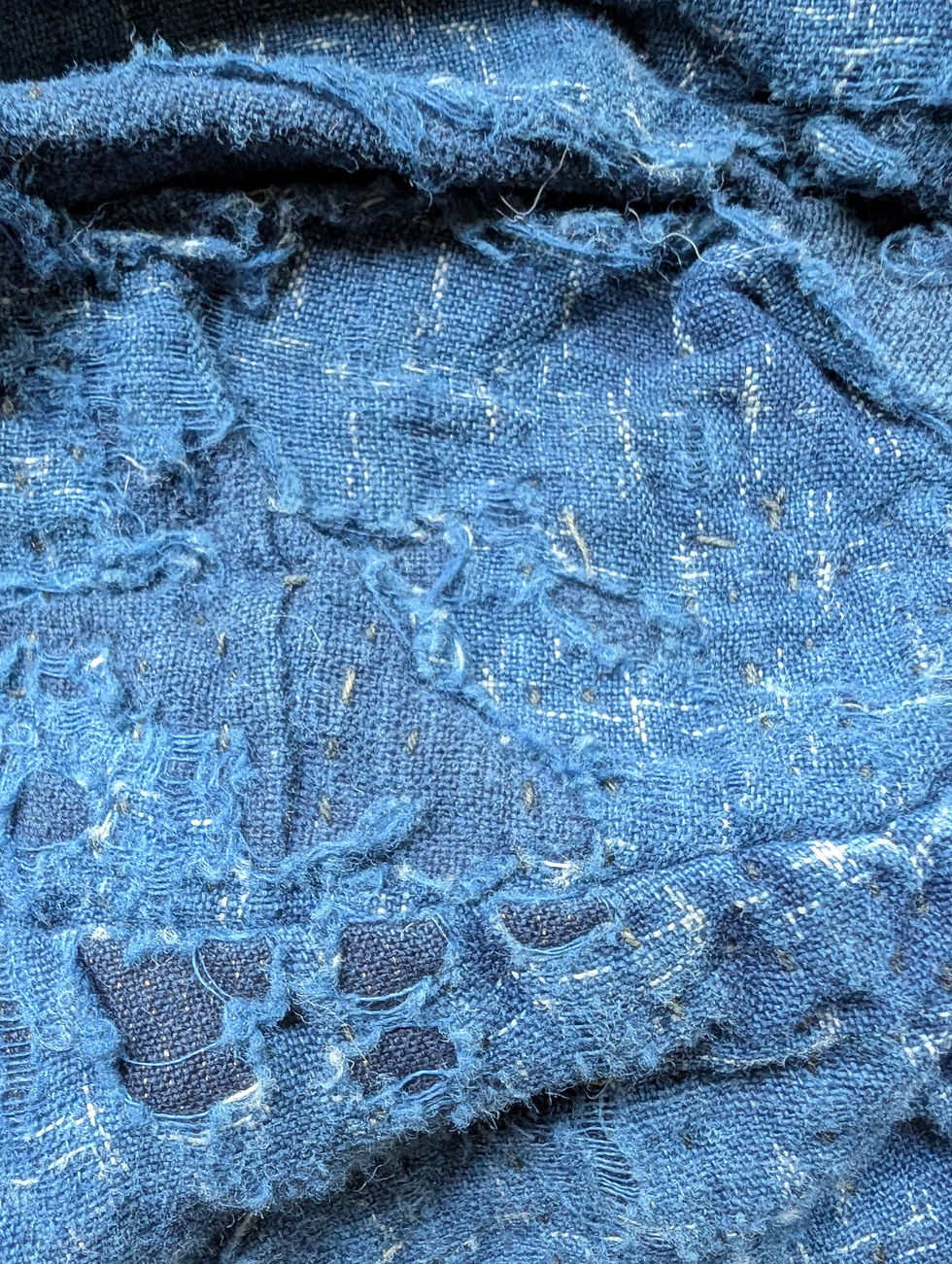
Perhaps most problematically, substitute threads often lack the color fastness of traditional materials. After washing or extended wear, color bleeding or fading can destroy months of careful work. This is particularly devastating in boro-style projects where the textile is meant to improve and develop character over time.
Best Sashiko Thread Brands: Daruma vs. Olympus vs. Clover Comparison
Choosing between Japanese sashiko thread manufacturers involves understanding each brand's strengths and characteristics as well as what you're personally looking for. While all three brands produce authentic materials, their approaches differ in ways that may matter for your specific applications.
Daruma Sashiko Thread
Daruma offers perhaps the most traditional approach to sashiko thread manufacturing. Their cotton comes from special Japanese regions known for exceptional fiber quality, and their processing methods change surprisingly very little from historical techniques. The result is thread with incredible durability and authentic hand feel.

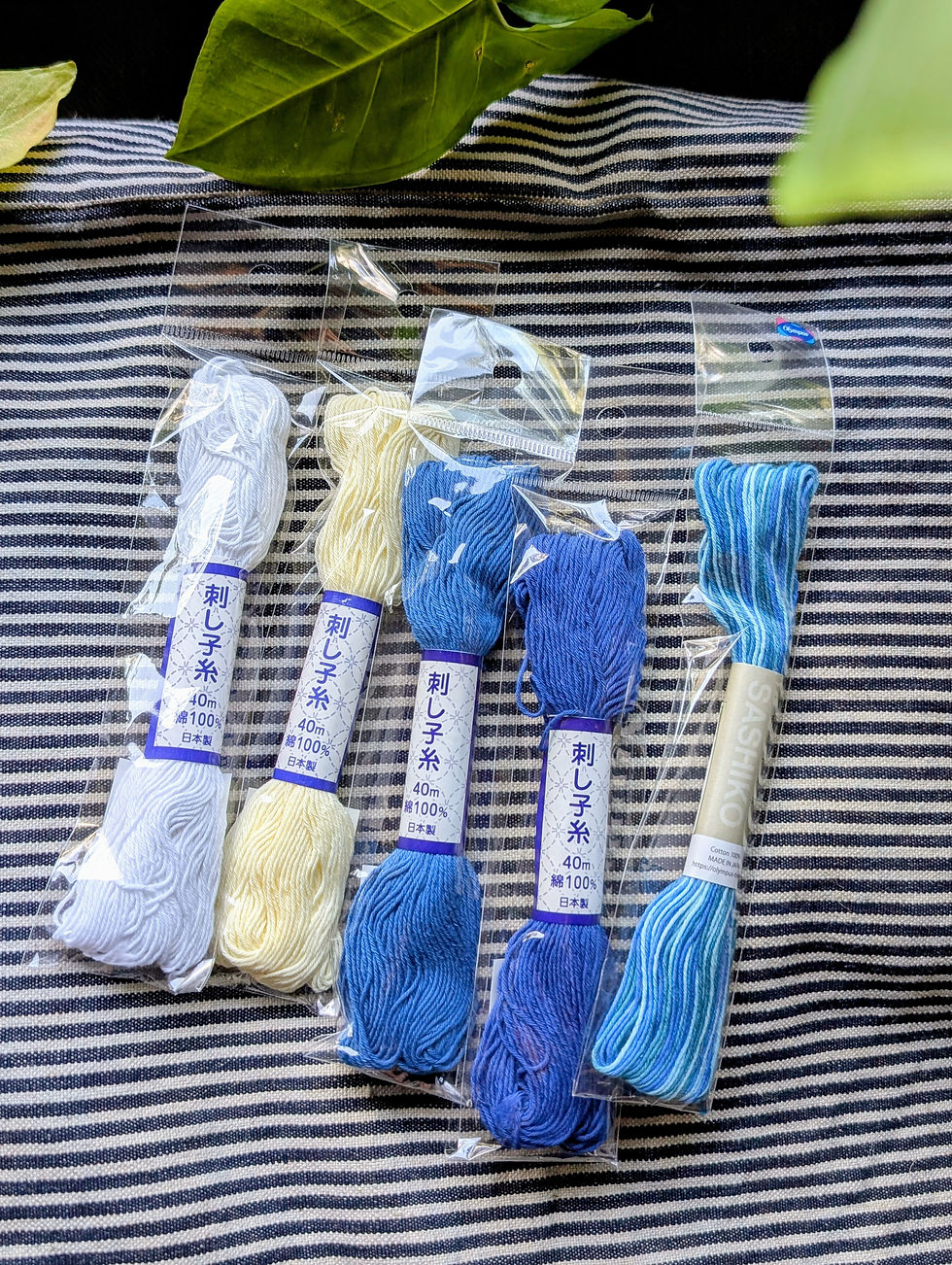
Daruma's color palette focuses on traditional indigo blues and natural whites, with limited expansion into contemporary colors. Their thread tends to run slightly heavier than other brands, making it ideal for structural mending work where maximum durability may matter more than decorative appeal.
Price points for Daruma sashiko thread reflect its premium positioning. Expect to pay 20-30% more than other Japanese brands, but the investment pays dividends in long-term project success. I recommend Daruma thread is particularly for boro-inspired work where your textile will see heavy use over years.
Olympus Sashiko Thread
Olympus takes a more contemporary approach while maintaining traditional quality standards. Their sashiko thread uses modern cotton varieties selected for consistency and color retention, resulting in more predictable results across many different dye lots.
The brand offers the widest color selection among Japanese manufacturers, including both traditional indigo variations and modern colors that coordinate with contemporary fabrics. This makes Olympus thread valuable for decorative sashiko work where color matching matters and playfulness is welcomed.
Olympus thread runs slightly lighter than Daruma but heavier than most Western alternatives. The consistency between skeins makes it a great choice for large projects where thread matching across multiple purchases is important. Their quality control standards ensure minimal variation in thickness or twist tension. Trustworthy.
Clover Sashiko Thread
Clover positions itself as the accessible option without sacrificing authenticity. Their sashiko thread uses traditional construction methods but incorporates modern quality control that appeals to contemporary crafters. The result is simply solid, reliable thread at moderate price points.
The brand offers good color variety while focusing on practical applications. I like their thread for beginners learning traditional techniques because it forgives little technical variations and hiccups while still producing authentic-looking results. Clover also provides excellent documentation and tutorials, making it easier for new practitioners to succeed.
Clover's thread weight falls between Daruma and standard cotton, so I'd say its a good compromise for crafters transitioning from regular materials to authentic sashiko supplies. The moderate pricing makes it practical for large projects or experimentation with different techniques.
Factor | Daruma | Olympus | Clover |
Authenticity | High traditional accuracy | Modern quality for traditional methods | Good balance of both |
Durability | Maximum for heavy use | Excellent for most applications | Very good for typical projects |
Color Range | Limited; traditonial palette | Widest selection | Good; practical variety |
Price | Premium; $8-12 per skein | Moderate; $6-9 per skein | Accessible; $4-7 per skein |
Best For | Boro projects, heirloom work | Decorative sashiko, color matching | Beginners, large projects |
When Authentic Sashiko Thread Actually Matters (And When Regular Mending Thread Works)
Not every project justifies the investment in premium sashiko thread. And that's just fine. But understanding when authenticity matters will help you choose your materials effectively while still achieving your goals.
Projects Where Sashiko Thread Choice Is Critical
Visible, traditional sashiko work demands authentic materials because the thread becomes a permanent design element. When your stitching will be seen and evaluated by others, the distinctive appearance of proper sashiko mending thread makes the difference between work that looks intentional and work that looks like a repair attempt.
Boro represents the philosophy and accumulated result of ongoing textile care over months, years, or even decades. Any textile you plan to develop through boro-style treatment over time needs authentic sashiko thread from the beginning. Mixing thread types as repairs accumulate creates visual inconsistency that undermines the traditionally inspired aesthetic you're building. It also sets your textile up for failure down the road.
High-stress areas like pocket corners, seam intersections, or areas subject to frequent flexing benefit from authentic sashiko thread's superior durability. The investment in premium materials pays for itself by extending your repair's lifespan and preventing the need for additional interventions.
When Substitute Mending Thread Works Fine
Practice work and skill-building exercises don't require premium materials. Just play with what you have and what you can afford! When you're learning basic stitching techniques or experimenting with pattern layouts, focus your budget on developing competence rather than acquiring expensive supplies. Once you've found your sashiko hand, you can treat yourself to the real thing.
Hidden structural repairs where the stitching won't be visible can use less expensive alternatives, too. If you're reinforcing a seam from the inside or adding structure that will be covered by other fabric layers, standard cotton thread may provide adequate performance at lower cost.
Temporary repairs intended to extend a garment's life for months rather than years may not justify premium thread investment or decorative work. Quick fixes to get additional wear from clothing that's nearing end-of-life - especially if its made from synthetics - should use whatever materials are readily available to you.
Cost-Benefit Analysis for Beginners vs. Advanced Japanese Crafts
Beginning practitioners can benefit from starting with one skein of authentic sashiko thread to understand the difference, then mixing authentic and substitute materials as they develop skills. This approach provides education without overwhelming (or overspending).
Advanced practitioners working on significant, traditionally-inspired projects may want to prioritize authentic materials for visible areas while potentially using substitutes for hidden structural work. This selective approach helps us maximize visual impact while controlling costs on larger projects.
Building Your Sashiko Thread Collection Strategically
Start with basic colors that coordinate with your existing wardrobe—traditional indigo blue and natural white handle the majority of common mending needs. Add specialized colors gradually as specific projects require them, or add your favorites when you find them. I love a random pop of red or pink!
Purchase thread for specific projects rather than building large inventory. Sashiko thread doesn't deteriorate quickly, but buying only what you'll use prevents waste and allows you to upgrade to new products over time.
Consider buying multiple skeins when you find good pricing on colors you use frequently. Thread prices fluctuate with cotton markets and currency exchange rates, so stocking up during favorable periods just makes good economic sense.
Frequently Asked Questions
Can I use embroidery floss instead of sashiko thread?
Embroidery floss lacks the weight and structure necessary for authentic sashiko work. While you can create running stitches with floss, the results will usually look decorative rather than functional. Embroidery floss also tends to fray and separate during the repetitive pulling motion required for sashiko stitching. For learning basic techniques, embroidery floss might work temporarily, but it just won't prepare you for working with proper materials or achieve the traditional visual results you may be after.
Why is Japanese sashiko thread so expensive compared to regular mending thread?
The price difference reflects specialized manufacturing processes and limited production volumes, as well as shipping, tariffs, and other global economic factors. Authentic sashiko thread requires specific cotton varieties, traditional processing methods, and quality control standards that just don't apply to mass-market thread production. Quality matters more than quantity for sashiko work. Investing in good, Japanese-made sashiko thread and needles significantly improves your stitching experience and final results. The higher cost per skein is offset by better results and fewer frustrations during stitching.
Where to buy sashiko thread outside Japan?
Many online retailers now stock authentic Japanese sashiko thread, including specialty needlework suppliers and general craft retailers. Look for authorized dealers of Daruma, Olympus, or Clover products to ensure authenticity. Some quilting shops carry sashiko supplies due to crossover interest between quilting and visible mending communities. When ordering online, verify that you're purchasing authentic Japanese products rather than imitations that may use similar packaging but different materials.
How much sashiko thread do I need for a typical project?
Thread requirements vary dramatically based on project scope and pattern density. A simple patch reinforcement might use 10-20 yards of thread, while comprehensive boro-inspired treatment of a jacket or blanket could require several hundred yards over time. A single project typically requires one or two skeins of thread and can be completed with some basic sewing supplies most crafters may already own. Start with two skeins for your first project to ensure you have adequate materials. Nothing worse than running out mid-stitch, especially if your materials are traveling from overseas!
Key Takeaways
Action Items:
Start with one skein of authentic sashiko thread to test the difference against regular cotton thread
Choose Daruma sashiko thread for maximum durability, Olympus for the widest color variety
Reserve premium sashiko thread for visible, high-wear areas while using substitutes for hidden work
Bottom Line: The sashiko thread makes the technique. Authentic materials create authentic results in the spirit of Japanese crafts. You can learn to honor traditional methods while serving your unique, contemporary needs.
Next Steps: Learn when to use sashiko vs. boro techniques in our comprehensive guide to Japanese mending methods, or explore how these traditional approaches fit into modern sustainable fashion practices.